Why Medical Gas Systems Are a Critical Lifeline in Healthcare Facilities
12/10/20251 min read
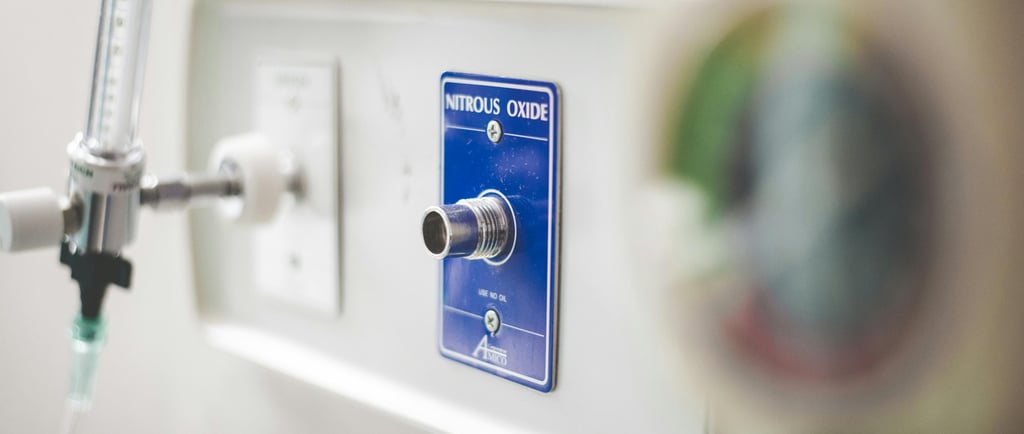
Medical gas systems are a foundational component of healthcare operations, supporting life-saving treatments and essential clinical procedures. These systems deliver vital gases such as oxygen, medical air, nitrous oxide, and vacuum services throughout hospitals, ambulatory surgery centers, and outpatient facilities. Their reliability directly impacts patient safety, clinical efficiency, and regulatory compliance.
The Role of Medical Gas Systems in Patient Care
Medical gas systems are integral to a wide range of clinical functions, including respiratory support, anesthesia delivery, and emergency care. In operating rooms, recovery areas, and patient care units, consistent gas flow and proper pressure levels are critical. Any disruption can place patients at risk and delay necessary treatment.
Supporting Anesthesia and Surgical Procedures
Medical gas systems work hand in hand with anesthesia machines and monitoring equipment during surgical procedures. Accurate gas delivery ensures safe anesthesia administration and uninterrupted operations. Failures or leaks within the system can lead to procedure delays, cancellations, or safety concerns, making routine maintenance essential.
Safety, Compliance, and Regulatory Standards
Healthcare facilities must comply with strict regulations governing medical gas systems, including NFPA 99, CMS requirements, and accreditation standards from organizations such as AAAHC and The Joint Commission. Regular inspections, testing, and documentation are necessary to maintain compliance and pass regulatory surveys.
Preventing System Failures Through Preventive Maintenance
Preventive maintenance helps identify leaks, pressure inconsistencies, alarm malfunctions, and other potential issues before they become critical problems. Proactive servicing reduces emergency repairs, minimizes downtime, and extends the lifespan of system components, ultimately lowering operational costs.
The Importance of Professional Medical Gas Support
Qualified biomedical and technical professionals play a crucial role in ensuring medical gas systems operate safely and efficiently. Routine inspections, performance testing, and system evaluations help protect patients, support clinicians, and maintain facility readiness.
A Critical System That Requires Ongoing Attention
Medical gas systems are not merely infrastructure components. They are life support systems that healthcare providers depend on every day. Ensuring their reliability through regular inspections and professional maintenance is essential for safe patient care and uninterrupted clinical operations.
Services
Expert repair and inspection for medical equipment. Follow us on socials
Ready to streamline your medical equipment services? Call us today! 732 928 4212
© 2024. All rights reserved.