call 1 347-342-8184

What Role Does Biomedical Support Play in ASCs?
Learn why biomedical support is essential to ASCs, enhancing safety, compliance, equipment uptime, and patient outcomes.
12/1/20252 min read
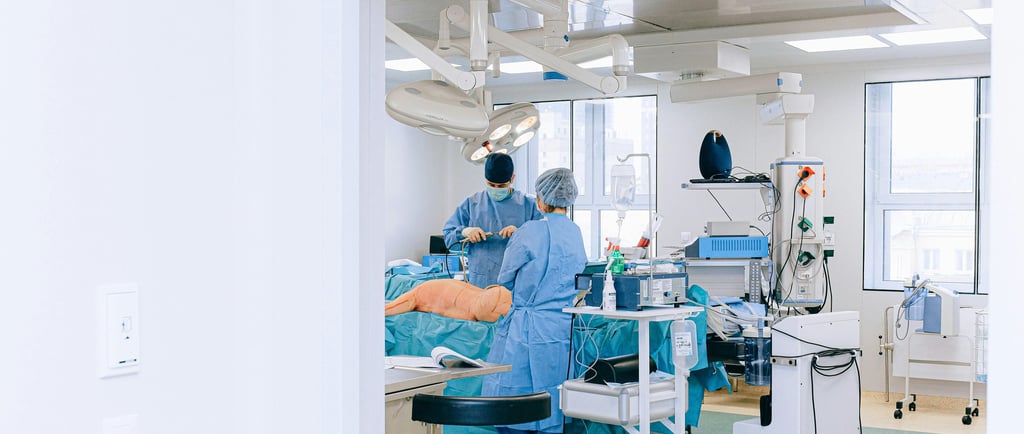
Ambulatory Surgery Centers (ASCs) continue to rise in popularity due to their efficiency, affordability, and patient-centered approach. However, behind every smooth surgical procedure lies one essential component: biomedical support.
Biomedical support plays a crucial role in keeping ASCs safe, compliant, and fully operational. From medical equipment maintenance to regulatory compliance, biomedical professionals ensure every device used in patient care works flawlessly.
In this blog, we’ll break down why biomedical support is essential for ASCs and how it contributes to better workflows, safer procedures, and improved patient outcomes.
What Is Biomedical Support in ASCs?
Biomedical support refers to the maintenance, repair, testing, and management of all medical equipment used in an ASC. This includes surgical tools, anesthesia machines, sterilizers, monitors, imaging devices, and other medical equipment.
Biomedical engineers and technicians ensure that each piece of equipment is safe, operational, and compliant with healthcare standards.
1. Biomedical Support Ensures Safe and Reliable Equipment
Safety is the top priority in any healthcare facility—and especially in ASCs. Biomedical support teams perform:
Routine preventive maintenance
Calibration and accuracy checks
Electrical safety inspections
Rapid repairs and troubleshooting
Performance testing before surgeries
By ensuring equipment functions correctly, biomedical teams reduce the risk of surgical delays, equipment failure, and patient harm.
2. Supports ASC Regulatory Compliance
Ambulatory Surgery Centers must meet strict regulations from:
Centers for Medicare & Medicaid Services (CMS)
The Joint Commission (TJC)
OSHA
Local Department of Health agencies
Manufacturer maintenance standards
Biomedical support teams maintain detailed logs and documentation that surveyors look for during inspections. Proper documentation helps ASCs avoid penalties and improve accreditation performance.
3. Improves Workflow Efficiency and Equipment Uptime
ASCs depend on precise scheduling. Equipment breakdowns can cause major disruptions. Biomedical support prevents downtime by:
Optimizing maintenance schedules
Ensuring equipment is patient-ready
Offering on-call support for quick fixes
Training staff on proper device use
With biomedical support, ASCs experience smoother operations and fewer interruptions.
4. Manages Equipment Inventory and Lifecycle
Biomedical professionals help ASCs manage the entire lifecycle of their devices, including:
Equipment selection and evaluation
Installation and configuration
Maintenance throughout its lifespan
Replacement planning and budgeting
This ensures ASCs make cost-effective decisions and avoid unexpected equipment failures.
5. Enhances Patient Safety and Surgical Outcomes
Reliable equipment = safer procedures.
Biomedical support ensures:
Accurate monitoring
Proper anesthesia delivery
Reliable surgical tools
Reduced risk of infection and error
With high-quality biomedical oversight, ASCs can consistently deliver safe and effective patient care.
6. Provides Technical Training for ASC Staff
Biomedical teams also contribute to staff education by teaching:
Correct handling of equipment
Proper cleaning and disinfection procedures
Troubleshooting steps
Safety precautions
This training helps staff avoid equipment misuse and extends device lifespan.
Why Biomedical Support Is Essential for ASCs
To summarize, biomedical support plays several vital roles in ASCs:
Ensures patient and staff safety
Prevents equipment downtime
Improves workflow efficiency
Supports regulatory compliance
Enhances surgical outcomes
Protects the ASC’s financial investments
Without a strong biomedical program, ASCs risk encountering operational issues that can compromise patient care and accreditation.
Conclusion
Biomedical support is one of the most important pillars of a successful Ambulatory Surgery Center. It keeps equipment safe, helps meet regulatory standards, and ensures that healthcare providers can deliver top-quality care every day.
As ASCs continue to grow, investing in professional biomedical support is essential for maintaining high-quality, safe, and efficient operations.
Services
Expert repair and inspection for medical equipment. Follow us on socials.
Ready to streamline your medical equipment services? Call us today! 732 928 4212 x5
© 2026. All rights reserved.