call 1 347-342-8184

The Link Between Equipment Failure and Medical Errors
11/25/20251 min read
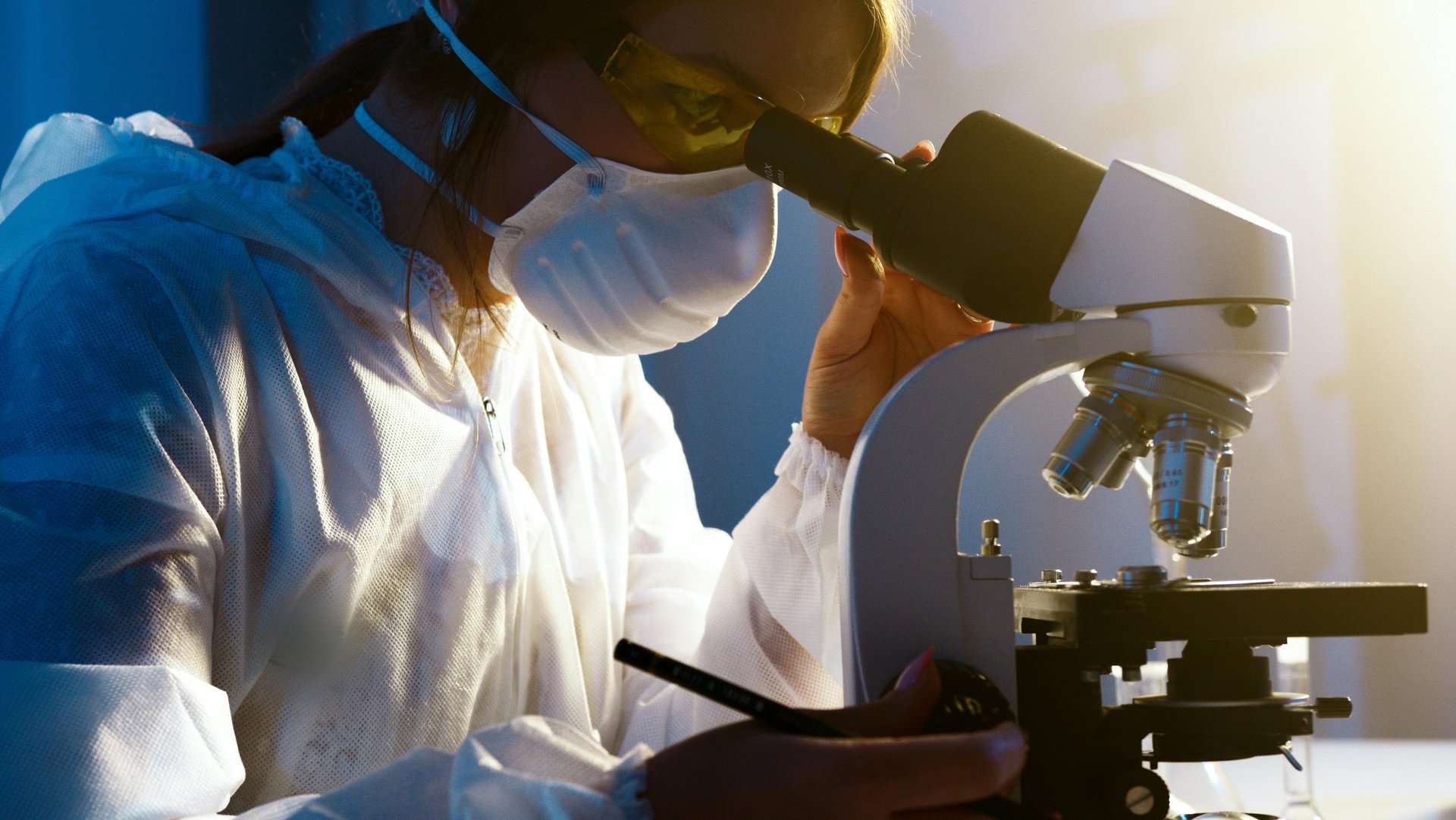
In healthcare settings, medical equipment failure is one of the most overlooked yet critical contributors to medical errors. Hospitals depend on reliable high-risk medical devices—from infusion pumps to diagnostic tools and life-support systems—to deliver accurate and consistent patient care. When these devices malfunction or lack proper preventive maintenance, the ripple effect can seriously compromise patient safety, increase healthcare costs, and affect overall regulatory compliance.
How Equipment Failure Leads to Medical Errors
1. Inaccurate Diagnostic Results
Broken or poorly calibrated medical devices can produce incorrect readings, leading healthcare providers to make misinformed clinical decisions. Inaccurate diagnostic data is a major factor in preventable healthcare equipment errors.
2. Interruptions in Critical Patient Care
When essential medical equipment, such as ventilators or monitors, fails even briefly, patients face severe risks. These interruptions can lead to treatment delays, medication errors, or the loss of critical monitoring data.
3. Medication Delivery Errors
Malfunctioning infusion pumps may deliver too much or too little medication. These dosage errors are among the most dangerous types of medical mistakes in clinical settings.
4. Surgical Delays and Complications
Equipment breakdowns during or before surgery—such as imaging machines, sterilizers, or surgical tools—create delays and increase operational risks.
5. Alarm Fatigue
Faulty sensors can trigger frequent false alarms, contributing to alarm fatigue, where staff may unintentionally ignore true warnings.
What Causes Medical Equipment Failure?
Lack of preventive maintenance for medical devices
Improper handling, cleaning, or storage
Outdated or non-compliant healthcare technology
Insufficient staff training on equipment use
Software or firmware malfunctions
These issues highlight the need for stronger medical equipment risk management and consistent servicing.
The Role of Preventive Maintenance in Reducing Medical Errors
A strong biomedical preventive maintenance program enhances device reliability, ensures accurate calibration, and minimizes unexpected failures. Preventive maintenance also supports HTM compliance, reduces liability, improves equipment uptime, and promotes better patient safety outcomes.
Conclusion
Equipment failure remains a significant and preventable cause of medical errors. By investing in consistent medical device maintenance, updating outdated devices, and training clinical staff, healthcare facilities can improve device reliability and significantly reduce patient risks.
Services
Expert repair and inspection for medical equipment. Follow us on socials.
Ready to streamline your medical equipment services? Call us today! 732 928 4212 x5
© 2026. All rights reserved.