call 1 347-342-8184

Preventive Maintenance for Medical Equipment Safety
Preventive maintenance for medical equipment ensures safety, reduces downtime, extends equipment life, and supports reliable healthcare operations daily.
2/26/20262 min read
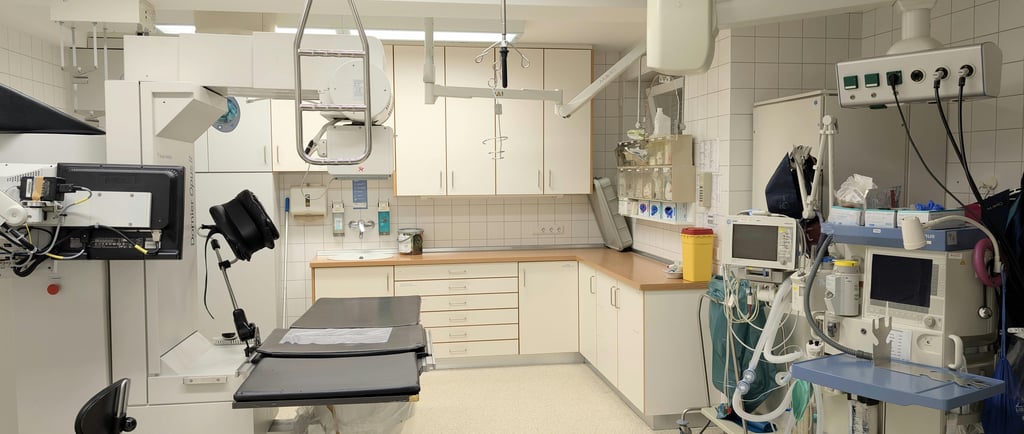
In today’s healthcare environment, dependable medical equipment is fundamental to delivering quality patient care. Devices such as infusion pumps, patient monitors, surgical instruments, and diagnostic systems must operate with precision and consistency. Preventive maintenance for medical equipment goes beyond regulatory compliance—it is a proactive approach that safeguards patients, minimizes unexpected downtime, and helps manage operational expenses.
Healthcare organizations throughout New York, New Jersey, and Pennsylvania rely on East Coast Biomedical Services (ECBS) to design and manage preventive maintenance programs that support equipment reliability and regulatory adherence.
Understanding Preventive Maintenance for Medical Equipment
Preventive maintenance (PM) involves routine servicing, inspections, testing, and calibration performed at scheduled intervals to reduce the risk of equipment failure. Instead of reacting to breakdowns, preventive maintenance focuses on early detection and correction of potential issues before they disrupt operations.
A well-structured preventive maintenance program may include:
Functional performance evaluations
Electrical safety assessments
Calibration verification
Mechanical system inspections
Cleaning and lubrication procedures
Replacement of aging or worn parts
Comprehensive documentation for compliance purposes
Through consistent maintenance practices, healthcare facilities can prevent costly interruptions while enhancing overall patient safety.
The Importance of Preventive Maintenance
1. Enhancing Patient Safety
Faulty or poorly maintained medical equipment can directly impact patient care. Incorrect readings from monitoring systems or failure of critical care devices may lead to serious consequences. Routine preventive maintenance ensures equipment continues to meet manufacturer standards, reducing clinical risks.
2. Minimizing Operational Downtime
Unexpected device malfunctions can delay procedures, interrupt workflows, and inconvenience patients and staff. Preventive maintenance reduces the likelihood of sudden breakdowns by identifying mechanical or electrical issues early, allowing corrective action before service disruption occurs.
3. Maintaining Regulatory Compliance
Healthcare providers are required to follow guidelines established by regulatory and accreditation organizations, including:
The Joint Commission
CMS (Centers for Medicare & Medicaid Services)
State and local health authorities
Accurate documentation of preventive maintenance activities is essential during inspections and audits. ECBS provides detailed service reports to help facilities demonstrate compliance and maintain accreditation status.
4. Prolonging Equipment Lifespan
Medical devices represent a substantial financial investment. Routine maintenance reduces stress on components and helps equipment function efficiently for a longer period. Extending the life of equipment lowers replacement frequency and improves return on investment.
5. Managing Long-Term Expenses
Emergency repairs often come with higher labor costs, expedited parts shipping, and operational losses. Scheduled preventive servicing is typically more cost-effective and predictable. By implementing routine maintenance plans, healthcare facilities can better control budgets and reduce unexpected expenditures.
How ECBS Strengthens Preventive Maintenance Programs
East Coast Biomedical Services (ECBS) offers tailored preventive maintenance solutions designed to meet the unique operational needs of each healthcare facility. Services include:
Customized maintenance schedules
On-site equipment inspections
Calibration and safety testing
Detailed compliance reporting
Flexible service contracts
With highly trained biomedical technicians and prompt service response, ECBS supports healthcare providers across NY, NJ, and PA in maintaining equipment performance and regulatory readiness.
The Value of Partnering with ECBS
Preventive maintenance is not solely about meeting compliance requirements—it is about creating a culture of operational reliability. Working with ECBS provides healthcare facilities with:
Lower liability exposure
Greater equipment dependability
Improved patient care outcomes
Predictable maintenance costs
Confidence during regulatory audits
Preventive maintenance for medical equipment is a forward-thinking strategy that promotes both safety and efficiency. By partnering with ECBS, healthcare organizations can operate with assurance, knowing their medical devices are properly maintained and aligned with industry standards.
Services
Expert repair and inspection for medical equipment. Follow us on socials.
Ready to streamline your medical equipment services? Call us today! 732 928 4212 x5
© 2026. All rights reserved.