call 1 347-342-8184

Medical Equipment Repair Services Supporting AI-Powered Healthcare
Discover how AI-powered diagnostics and drug discovery are transforming healthcare—and how ECBS supports innovation through reliable biomedical equipment services.
1/9/20264 min read
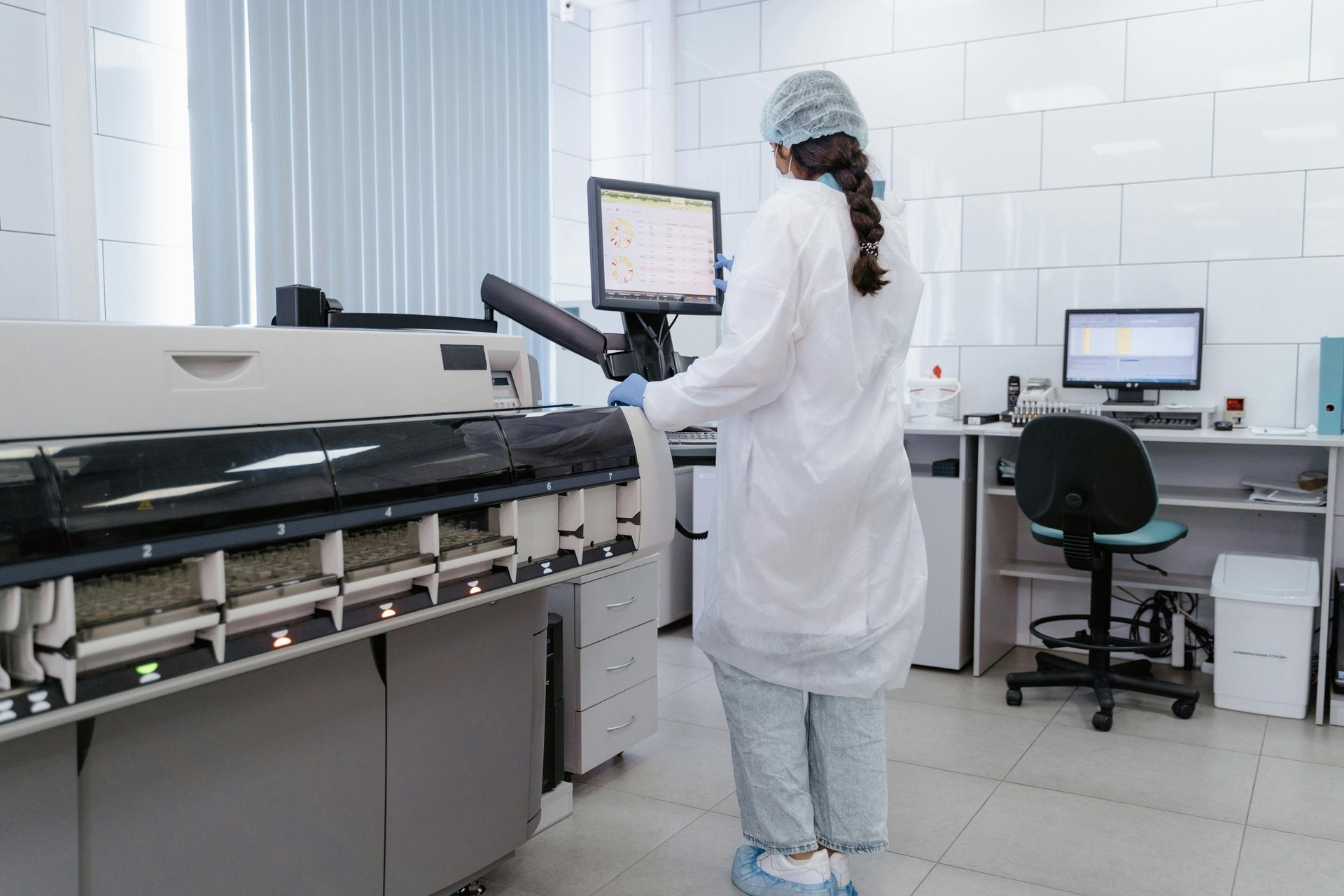
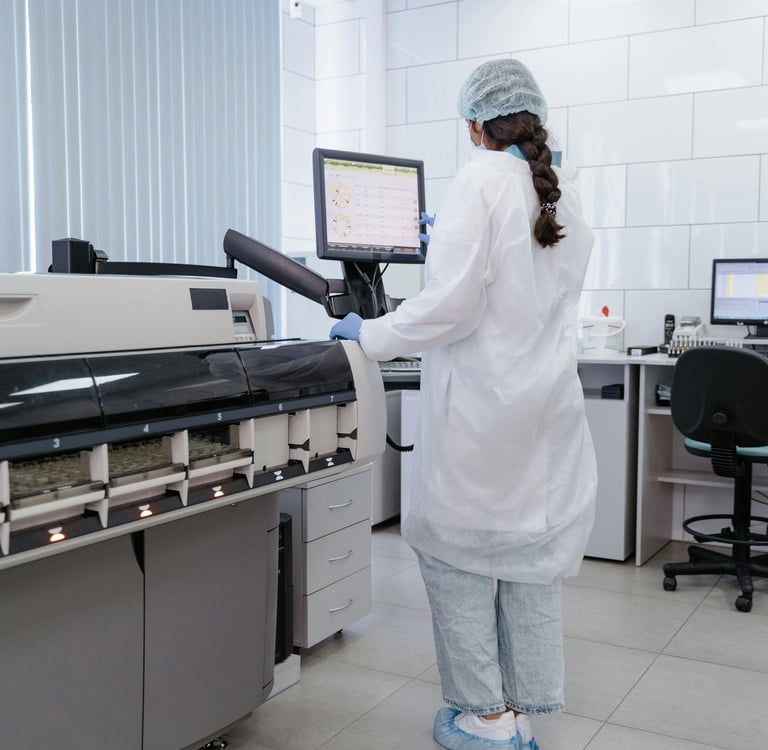
Artificial intelligence (AI) is rapidly reshaping the healthcare landscape, evolving from experimental tools into a core component of modern medical innovation. In diagnostics and drug discovery, AI-powered technologies are improving clinical accuracy, accelerating research timelines, and enabling more proactive and personalized patient care. As healthcare systems increasingly rely on advanced technology, the role of dependable biomedical services and properly maintained medical equipment has never been more critical.
AI-driven diagnostics and drug development are setting new standards for how diseases are detected, treated, and managed. When supported by reliable biomedical equipment services, these innovations help healthcare organizations deliver safer, more efficient, and higher-quality care.
Enhancing Diagnostic Accuracy with AI
One of the most impactful applications of AI in healthcare is diagnostics. AI-powered diagnostic systems use advanced algorithms and machine learning models to analyze vast volumes of medical data, including imaging studies, laboratory results, vital signs, and electronic health records. These systems excel at identifying patterns and anomalies that may be subtle, complex, or difficult for the human eye to detect.
In specialties such as radiology, pathology, cardiology, and oncology, AI tools assist clinicians by flagging potential abnormalities, prioritizing urgent cases, and supporting faster, more informed clinical decision-making. Early and accurate detection of disease can significantly improve patient outcomes while reducing the likelihood of complications.
However, the effectiveness of AI diagnostics depends heavily on the performance of the medical equipment that generates the data. Imaging systems, patient monitors, and diagnostic devices must operate accurately and consistently. This is where biomedical engineering support, preventive maintenance, and routine equipment calibration play a vital role in ensuring AI systems deliver reliable results.
Accelerating Drug Discovery and Development
Traditional drug discovery is a lengthy and costly process that often takes years of research, testing, and clinical trials before a new therapy reaches patients. AI is transforming this process by enabling researchers to analyze massive datasets, simulate chemical interactions, and predict how compounds will behave long before they enter the laboratory.
AI-driven drug discovery platforms can identify promising drug candidates, assess potential toxicity, and optimize molecular structures at a much faster pace. By narrowing down viable options earlier in the development process, AI reduces trial-and-error, shortens timelines, and lowers overall research costs.
This accelerated approach supports faster access to new treatments for patients while helping pharmaceutical companies and research institutions allocate resources more efficiently. Behind the scenes, dependable biomedical technology services and properly maintained laboratory equipment are essential to support the computational and experimental environments required for AI-driven research.
Supporting Personalized and Precision Medicine
AI plays a central role in advancing personalized and precision medicine. Rather than relying on a one-size-fits-all treatment approach, AI systems analyze genetic information, medical histories, lifestyle factors, and real-world clinical data to help tailor treatments to individual patients.
In diagnostics, AI-enabled tools can provide insights that guide customized care plans, ensuring patients receive therapies that are most likely to be effective for their unique health profiles. This approach improves treatment outcomes, minimizes adverse reactions, and supports more targeted interventions.
Precision medicine relies on accurate data from patient monitoring systems, diagnostic devices, and clinical equipment. Consistent medical device maintenance and professional biomedical services help ensure that the data feeding AI systems remains accurate, reliable, and compliant with clinical standards.
Improving Efficiency Across Healthcare Systems
Beyond clinical applications, AI-powered diagnostics and drug discovery improve operational efficiency across healthcare organizations. Automated data analysis reduces the administrative burden on clinicians, allowing them to spend more time focused on patient care rather than manual documentation and data review.
Predictive analytics help healthcare facilities anticipate patient demand, optimize staffing levels, and manage resources more effectively. AI tools can also support preventive care by identifying trends and risk factors before conditions escalate, reducing hospital admissions and improving long-term outcomes.
To sustain these benefits, healthcare organizations must maintain the underlying infrastructure that supports AI systems. Preventive maintenance, equipment inspections, and responsive technical support services ensure that critical medical devices and digital platforms operate without disruption.
The Importance of Data Integrity, Compliance, and Security
AI systems rely on large volumes of sensitive patient data, making data integrity and security top priorities. Healthcare organizations must ensure that AI-powered platforms comply with regulatory requirements while protecting patient privacy and confidentiality.
Strong cybersecurity measures, secure system integrations, and compliance-focused biomedical services are essential to maintaining trust in AI-driven healthcare solutions. Regular system evaluations, software updates, and documentation help organizations meet regulatory standards and remain survey-ready.
In addition, properly maintained medical equipment reduces the risk of data inaccuracies caused by device malfunctions or calibration issues. Reliable biomedical engineering support plays a key role in safeguarding both data quality and patient safety.
The Role of Biomedical Services in Supporting AI Innovation
While AI technologies continue to advance, they depend on a foundation of well-maintained medical equipment and technical expertise. Biomedical services ensure that diagnostic devices, patient monitoring systems, anesthesia machines, and laboratory equipment function as intended in AI-enabled environments.
Routine inspections, preventive maintenance, and performance testing help extend equipment lifespan, reduce downtime, and prevent unexpected failures. These services support uninterrupted clinical workflows and ensure that AI systems receive accurate, high-quality data.
As healthcare technology becomes more sophisticated, the collaboration between AI innovation and biomedical services becomes increasingly important. Together, they create a reliable ecosystem that supports patient safety, clinical efficiency, and regulatory compliance.
The Future of AI in Diagnostics and Drug Discovery
AI-powered diagnostics and drug discovery will continue to evolve, offering new possibilities for faster innovation, improved accuracy, and better patient outcomes. Emerging applications include advanced imaging analysis, real-time decision support, and AI-assisted clinical trials.
As these technologies become more integrated into everyday healthcare operations, the demand for dependable biomedical equipment services, medical device maintenance, and technical expertise will continue to grow. Healthcare organizations that invest in both AI solutions and strong biomedical support will be better positioned to adapt to future advancements.
By embracing AI-driven healthcare technologies and ensuring they are properly supported, healthcare facilities can remain at the forefront of medical innovation while delivering safer, more efficient, and more personalized care for their patients.
Services
Expert repair and inspection for medical equipment. Follow us on socials.
Ready to streamline your medical equipment services? Call us today! 732 928 4212 x5
© 2026. All rights reserved.