Maintenance Best Practices for Anesthesia Machines: Tips for ASCs
12/12/20252 min read
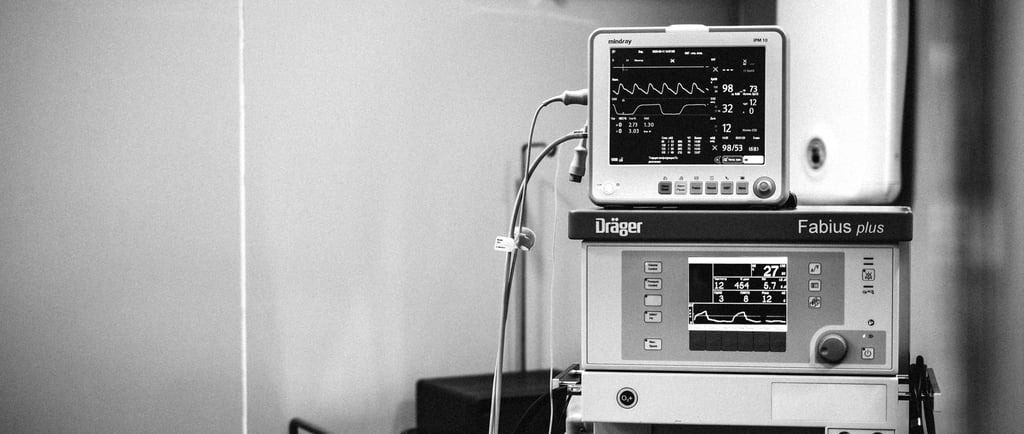
Anesthesia machines play a crucial role in ensuring patient safety and surgical success, particularly in fast-paced ambulatory surgery centers (ASCs). With high procedure volumes and limited downtime between cases, even minor equipment issues can disrupt workflows or pose serious safety risks. Implementing effective maintenance best practices helps ASCs ensure reliability, compliance, and uninterrupted patient care.
Why Anesthesia Machine Maintenance Matters in Ambulatory Surgery Centers
Unlike larger hospitals, ASCs operate on tight schedules where efficiency is critical. An anesthesia machine malfunction can lead to procedure delays, canceled cases, or compromised patient safety. Routine maintenance reduces unexpected failures, supports accurate gas delivery, and ensures the equipment performs as intended during every procedure.
Partnering with experienced biomedical service providers, such as East Coast Biomedical Services (ECBS), enables ASCs to maintain their anesthesia equipment to the highest standards of safety and performance.
Daily and Routine Inspections
Daily inspections are the first line of defense against equipment issues. Clinical staff should perform pre-use checks before every case, including leak tests, alarm verification, and visual inspection of hoses, valves, and connections. These routine checks help identify potential problems early and prevent disruptions during procedures.
Proper documentation of daily inspections is equally important. Maintaining accurate logs not only supports accountability but also helps demonstrate compliance during audits and accreditation reviews.
Preventive Maintenance and Scheduled Servicing
Preventive maintenance goes beyond daily checks. Following manufacturer-recommended service schedules helps extend the lifespan of anesthesia machines and reduces the risk of sudden breakdowns. Preventive servicing includes replacing worn components, testing internal systems, and ensuring all parts function within acceptable limits.
ECBS provides comprehensive preventive maintenance programs for anesthesia machines, ensuring ASCs receive timely servicing performed by qualified biomedical technicians. This proactive approach minimizes downtime and protects long-term equipment investments.
Calibration and Performance Verification
Accurate calibration is essential for safe anesthesia delivery. Gas flow accuracy, pressure regulation, and ventilation performance must be verified regularly to ensure patient safety. Even small deviations can affect clinical outcomes if left unaddressed.
Professional calibration and performance testing performed by experienced service providers help ensure anesthesia machines meet manufacturer specifications and regulatory requirements. ECBS supports ASCs with detailed testing and verification to maintain consistent performance across all procedures.
Compliance With Safety and Regulatory Standards
ASCs must comply with various regulatory and accreditation requirements, including CMS guidelines, Joint Commission standards, and applicable NFPA codes. Proper maintenance documentation, service records, and inspection reports are critical during surveys and audits.
Working with a trusted biomedical partner like ECBS helps ASCs stay audit-ready, with organized documentation and service histories that support compliance and risk management efforts.
Common Maintenance Mistakes ASCs Should Avoid
One common mistake is relying solely on reactive repairs instead of preventive maintenance. Waiting until equipment fails can result in higher repair costs and unexpected downtime. Another issue is incomplete or inconsistent documentation, which can raise red flags during inspections.
ASCs that invest in structured maintenance programs and professional support are better positioned to avoid these pitfalls and maintain operational continuity.
Partnering With a Trusted Biomedical Service Provider
Outsourcing anesthesia machine maintenance to a qualified biomedical service provider offers ASCs access to specialized expertise, advanced testing equipment, and regulatory knowledge. ECBS supports ASCs with inspection, preventive maintenance, repairs, and compliance-focused services tailored to outpatient surgical environments.
By partnering with ECBS, ASCs gain confidence that their anesthesia equipment is maintained to the highest standards of safety, performance, and reliability.
Conclusion
Effective maintenance of anesthesia machines is essential for patient safety, regulatory compliance, and smooth surgical operations in ASCs. Through routine inspections, preventive servicing, accurate calibration, and professional support, facilities can reduce risk and extend equipment life.
Investing in expert biomedical services, such as those provided by East Coast Biomedical Services, helps ASCs maintain dependable anesthesia systems and focus on delivering high-quality patient care without interruption.
Services
Expert repair and inspection for medical equipment. Follow us on socials
Ready to streamline your medical equipment services? Call us today! 732 928 4212
© 2024. All rights reserved.